


Wisdom teeth are a normal part of the mouth development process and usually appear in the late teens or early 20s for most people. There are normally four wisdom teeth—two in the upper jaw and two in the lower jaw. However, it is possible for people to have fewer or even no wisdom teeth at all.
Sometimes, a person’s wisdom teeth may come through without causing any issues, but other times, their growth can be problematic, impacting other teeth and overall oral health. Without treatment or removal, they can lead to severe long-term issues.
When it comes to surgical dental procedures, it always pays to be wise, especially about aftercare for wisdom teeth removal. Wisdom teeth are the molars that come through last and the farthest back in your mouth.
Why Are Wisdom Teeth Removed?
A wisdom tooth, also called the third molar, doesn’t always erupt (emerge through the gum) without problems. For some people, wisdom teeth may try to erupt at an angle and push into the gum or the tooth beside them. This is called impaction.
If the wisdom tooth becomes impacted or if a dentist believes it may become impacted, it will need to be removed. If it isn’t surgically removed, the impaction can cause pain, infections, and other dental problems in the long term.
An impacted wisdom tooth might:
- Grow at an angle toward the next tooth (the second molar).
- Grow at an angle towards the back of the mouth.
- Grow at a right angle towards the other teeth. In scans, it’ll look as if the wisdom tooth is lying down.
- Grow straight up or down like other teeth, but stay trapped within the gum.
These scenarios can lead to problems, including:
- Pain where the wisdom tooth is impacted.
- Trapped food and debris behind the wisdom tooth increase risks for infection and gum disease (periodontal disease).
- Damage to nearby teeth and surrounding bone.
- Development of a fluid-filled sac (cyst) around the wisdom tooth.
- Complications with braces to straighten other teeth.
Some dental professionals even recommend removing wisdom teeth that aren’t causing problems (known as asymptomatic wisdom teeth). This is because it can be harder to clean and might be an issue later in life. Surgery also has a higher risk for complications in older adults compared to if you were to get them removed when you’re a teen or in your early 20s.
How Is The Procedure Done?
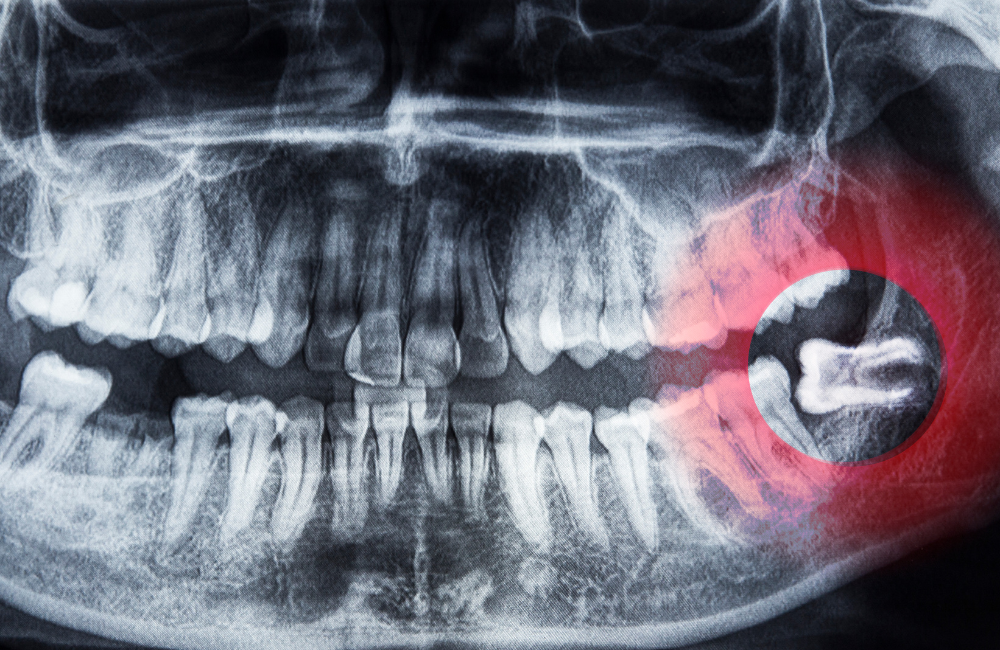
If an oral health professional deems that your wisdom teeth could cause issues in the future or are already causing problems, they’ll recommend that you get them removed. This is a common oral surgery procedure that takes about an hour to complete.
This oral surgery procedure is known as wisdom teeth removal or wisdom tooth extraction. The procedure starts with the oral surgeon checking the health of your wisdom teeth and dental X-rays to determine their exact location.
The surgeon will also discuss sedation dentistry options with you during the pre-procedure appointment. For instance, some examples include local anaesthesia or general anaesthesia. During this time, the surgeon will also go through instructions on how to prepare for the appointment and aftercare.
The surgeon will provide anaesthesia on the day of your procedure. Afterwards, if necessary, they will make small incisions in your gums to expose and remove the wisdom teeth.
The extraction of the wisdom teeth is usually a simple process. The surgeon will carefully loosen your wisdom teeth and lift them from their socket. They’ll then follow up by cleaning the area to ensure there is no infection and placing stitches over the surgical site, if necessary. They’ll also provide gauze over the sockets to slow bleeding.
What Will You Experience Post-Procedure?
After wisdom teeth removal, most people can expect a recovery period of one to two weeks. During this time, there are common symptoms, including bleeding, pain, swelling, bruising, and difficulty opening the mouth.
The typical timeline for most individuals post-procedure is:
- For the first 24 hours, there will be bleeding and swelling. They will also be coming off the anaesthesia and will be provided pain medication.
- For the first 2-3 days post-surgery, swelling peaks and pain and discomfort increase.
- After 1 week, most symptoms should subside, and if any stitches were used, they should dissolve.
- After 2 weeks, the individual should be fully recovered. If any pain or issues persist, they should speak with their oral health professional.
What Will You Need For Recovery?
If you’re looking to prepare yourself for wisdom teeth extraction, there are a few do’s and don’ts you should follow. First of all, it’s crucial to organise a friend or family member to take you to and from the procedure and help you with the aftercare for wisdom teeth removal. Due to the anaesthesia and medication, you cannot drive yourself to and from the clinic. It’s also recommended to set up a cosy spot to recover before you go in for surgery. Make sure this spot has everything you need for a relaxing rest. This includes easy access to pillows, blankets, and any activities, like books for reading, to pass the time.
Also, ensure you have the correct supplies ready, such as plenty of water to stay hydrated, soft and easy-to-eat foods that won’t irritate the surgical site, gauze pads, salt (for hydration), and ice packs.
The Dos of Wisdom Teeth Removal
When it comes to wisdom teeth removal aftercare, following the tips and instructions described by your oral health surgeon is best. Aftercare makes a world of difference in terms of recovery and preventing problems like infections. Below, we’ve compiled a few ‘Dos’ for recovery.
- Rest, rest, and more rest. Take it easy for the next few days post-surgery, make sure to get time off from school or work, and keep your head elevated.
- Prepare ice packs before your surgery and keep them in the freezer. They’ll help with reducing swelling and pain.
- Stay hydrated, and always keep water nearby.
- Take medication (painkillers and antibiotics) as prescribed.
- Keep up with your oral hygiene as recommended by your oral surgeon. Keeping your mouth clean is important for preventing bacteria and food from building up.
The Don’ts of Wisdom Teeth Removal
Here is a list of the different actions and habits to avoid during aftercare for your wisdom teeth.
- Avoid using straws; this can irritate the surgical site.
- Avoid smoking and vaping. This can dry out the mouth and also increase the risk of complications like infections.
- Don’t touch the wound. Keep your fingers and tongue away from the surgical site.
- Don’t have any crunchy, sticky, or hot food. It’s also good to avoid any spicy food.
Dentist at Underwood Can Take Care of Your Smile

Stay on top of your oral health with the Dentist at Underwood. We understand how daunting it can be to visit a dental clinic, especially for the first time. That’s why we strive to make our clinics as comfortable as possible. Our team will take care of you throughout your procedure and provide any necessary aftercare for wisdom teeth removal.
At our clinics, we offer comprehensive general dentistry services, including wisdom teeth removal. So, if you’re concerned about the growth of your wisdom teeth, are experiencing symptoms mentioned in this article or want them extracted, contact us and book a consultation for more information.
Start your dentistry journey with us today; We’d love to help you reach your oral health goals.